


Curly Hair Transplant
Offered at our convenient location in Scottsdale, Arizona
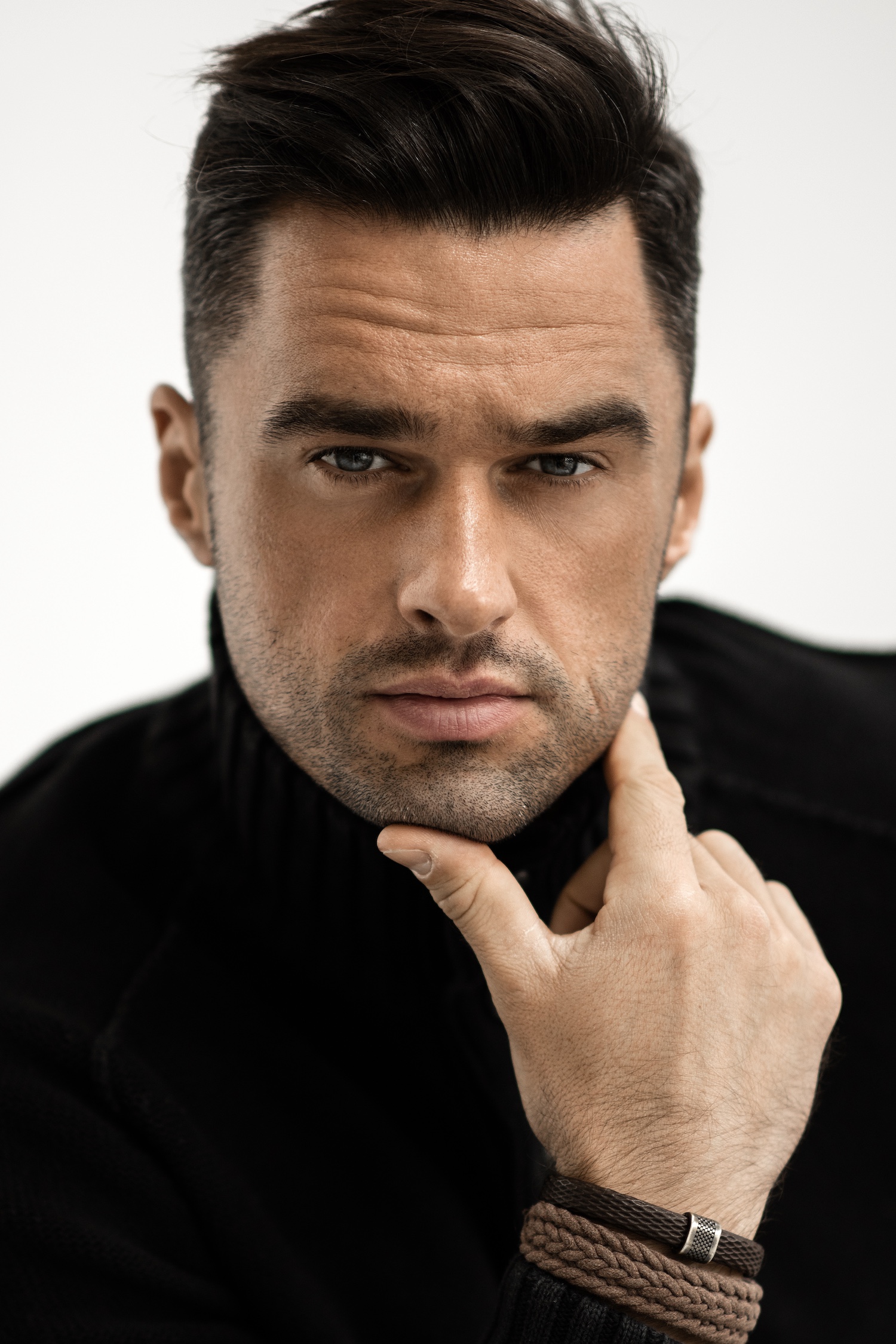
A curly hair transplant is a highly specialized hair restoration procedure that repopulates the scalp with new hair growth while accounting for the unique and curved structure of curly hair follicles.
Dr. Andrew Wolin is the medical director of Wolin Plastic Surgery Center. He is double board-certified and, with more than three decades of experience, he believes that the “power of beauty” comes from a positive inner confidence. By combining innovative technology and artistry in hair transplants, he helps patients achieve this inner confidence with new, natural-looking, fuller hair growth and coverage. Contact us online or call our office at (480) 945-8440 to schedule a consultation and explore your hair transplant possibilities!
“The art of plastic surgery is one that enhances each person’s outer beauty to achieve their personal best.” – Dr. Wolin
Contents
- 1 About Curly Hair Transplant
- 2 Benefits
- 3 Candidates
- 4 Personal Consultation
- 5 Preparation
- 6 Procedure
- 7 Recovery
- 8 Results
- 9 Corresponding Procedures
- 10 Cost of Curly Hair Transplants in Scottsdale
- 11 FAQ
- 11.1 What are the benefits of a curly hair transplant?
- 11.2 What is the difference between a curly hair transplant and a straight hair transplant?
- 11.3 How much does a curly hair transplant cost?
- 11.4 Can I pair a curly hair transplant with any other procedures?
- 11.5 Are the results from a curly hair transplant permanent?
- 12 References
About Curly Hair Transplant
A hair transplant restores a fuller and denser head of hair by taking hair follicles from the back and sides of the scalp and placing them in thinning areas. Curly hair transplants are more complex and require greater expertise because this hair’s specific coiled and curled nature makes it harder to remove from the donor areas. (1) Curly hair transplants use specialized techniques like follicular unit excision (FUE) to precisely remove and place the curled follicles. This hair transplant technique creates a “layered effect” that offers superior coverage and higher density, and it requires fewer grafts to cover the area.
Benefits
After losing hair, a curly hair transplant offers an effective solution. Patients frequently see benefits through:
- Fuller coverage: Repopulating the scalp effectively reduces thinning and shedding.
- Fewer grafts: Dr. Wolin’s FUE techniques allow him to create a denser scalp appearance with fewer grafts.
- No linear scarring: FUE uses a punch tool to remove hair follicles, and then Dr. Wolin carefully places them in extremely small incisions. This avoids long incisions and unwanted scarring.
- Natural-looking results: Dr. Wolin carefully places grafts to match the growth patterns and distribution of your natural hair.
- Permanent solution: FUE uses follicles that resist the hormones that drive hair loss. Once grafts are in place, your hair will retain its natural growth patterns and characteristics.
- Restored self-confidence: Hair loss is a distressing event for many. By repopulating your scalp, you can boost your confidence and self-esteem.
- Low-maintenance results: Transplanted hair will grow just like your normal hair, meaning you can cut and style it as you please.
Candidates
You may be an ideal candidate for a curly hair transplant if you are struggling with genetic or hormonal hair loss and have sufficient and healthy donor hair on the back or sides of your scalp. Curly hair transplants specifically address wavy, curly, or coily hair; patients with straight hair can undergo a standard hair transplant. If you are experiencing thinning, shedding, widening parts, and a receding hairline, a hair transplant may be beneficial for you. Your scalp should be in otherwise good health, free from any active infections or other conditions. Lastly, you must also be a nonsmoker or willing to quit, hold realistic expectations for your results, and be in relatively good general health.
Personal Consultation
During your personal consultation, Dr. Wolin will evaluate your medical history and degree of hair loss. He will also evaluate your hair’s curl patterns. Following this, you will be able to discuss your concerns and overall goals for your procedure. After gathering the necessary information, he will create a one-of-a-kind treatment plan that restores the look of your scalp with maximum coverage and volume. This meeting is an ideal time to address any questions or concerns you may have. Dr. Wolin’s goal is to make you feel comfortable and confident as you approach your procedure. Contact us online or call our office at (480) 945-8440 to schedule your personal consultation.
Preparation
Efficiently preparing for a curly hair transplant creates a foundation for an effective procedure and optimal hair growth. Dr. Wolin may advise you to:
- Discontinue the use of blood-thinning medications and supplements
- Cease nicotine products leading up to your procedure (if applicable)
- Avoid consuming alcohol for at least two weeks before and after treatment
- Discontinue the use of styling products on the day of your procedure
- Schedule time away from work and social commitments to rest and recover
- Arrange transportation home from your procedure
Procedure
Dr. Wolin will begin your procedure by administering local anesthesia to the treatment areas such as the back and sides of the head. He will then shave off hair from those same areas to clearly see, isolate, and extract each follicular unit. He will use the FUE hair transplant method using the NeoGraft machine to carefully extract the hair follicles from the donor areas without damaging the fragile curved root. This machine uses air-pressured suction and a circular punch tool to gently retrieve your grafts while minimizing scarring and damage. These hairs are resistant to the dihydrotestosterone (DHT) hormone that causes hair loss, so once they are in the new location, they will still continue to grow healthily. Dr. Wolin will place the extracted follicles in a hydrating solution to keep them alive and healthy before replacing them in the scalp. He will make tiny and precise incisions in the areas that are losing hair, carefully mimicking the direction and angle of the grafts to match your natural, existing hair curls. Finally, he will place each healthy and harvested follicle into its new incision. Because curly hair has more natural volume, you may need fewer grafts to achieve a full look.
Recovery
After your procedure, you will need to elevate your head while resting, avoid touching or scratching the treatment area, and take prescribed medications to minimize discomfort and aid healing. During the first two to five days, you must avoid washing your head, alcohol consumption, intense workouts, and excessive sun exposure. You must also refrain from using styling products, hair dryers, and dyes for at least four weeks. Although you may see scabbing and newly transplanted hair fall out during the first few weeks, this is a natural part of the healing and regrowth process. The new growth will begin around three to four months after your transplant.
Results
After about four months, your hair growth will become thicker and fuller, and this will continue for up to a year. The crown areas typically take longer to heal and grow, generally reaching maximum density at about 18 months. Because donor follicles are resistant to DHT, the results of your hair transplant will be permanent. Follicles will continue to grow in their new location for a lifetime.
Corresponding Procedures
Beard and Mustache Grafting
Beard and mustache grafting for men delivers thicker and fuller facial hair. This procedure involves taking donor hair from the head and planting it into thinning or patchy areas. The transplanted hair will grow naturally, and patients can trim and style it to their desired appearance. This procedure is ideal for men who want more facial hair but struggle to achieve their desired growth. Pairing it with a hair transplant allows your head and face to achieve healthy hair growth and a cohesive and balanced appearance. (2)
Cost of Curly Hair Transplants in Scottsdale
The cost of your curly hair transplant varies depending on the size of your treatment area, the number of hair grafts that your procedure requires, the degree of your hair loss, and whether you pair your procedure with other treatments. Dr. Wolin will provide a cost outline during your personal consultation and will also address any questions or concerns you may have about your procedure. Contact us online or call our office at (480) 945-8440 to explore your hair transplant options!
FAQ
What are the benefits of a curly hair transplant?
A curly hair transplant restores a full, healthy head of hair, which can significantly boost self-confidence.
What is the difference between a curly hair transplant and a straight hair transplant?
A curly hair transplant requires advanced precision and techniques because curly hairs have different curvature patterns. Because curly hair has more natural volume, these procedures often require fewer grafts. A straight hair transplant requires more grafts to achieve the same visual density, although they are easier to extract without damage.
How much does a curly hair transplant cost?
The cost of your hair transplant depends on the size of your treatment areas, the severity of your hair loss, and the number of grafts that your procedure will require. Dr. Wolin will outline your cost during your personal consultation.
Can I pair a curly hair transplant with any other procedures?
Yes, you can pair a hair transplant with a beard and mustache grafting procedure. This is common among men who want to achieve a full head of hair and a balanced facial hair appearance, even when they cannot grow it themselves.
Are the results from a curly hair transplant permanent?
The results from your curly hair transplant are permanent, as the implanted hair grafts will grow naturally and resist the hormones that drive loss.
References
- Rogers NE, Callender VD. Advances and Challenges in Hair Restoration of Curly Afrocentric Hair. Dermatologic Clinics. 2014;32(2):163-171. doi:https://doi.org/10.1016/j.det.2013.12.004
- Dua K, Verma V, Dua A. Beard and Moustache Reconstruction. Indian Journal of Plastic Surgery. 2021;54(04):483-488. doi:https://doi.org/10.1055/s-0041-1739248