


Hair Transplant Recovery and Timeline
Offered at our convenient location in Scottsdale, Arizona
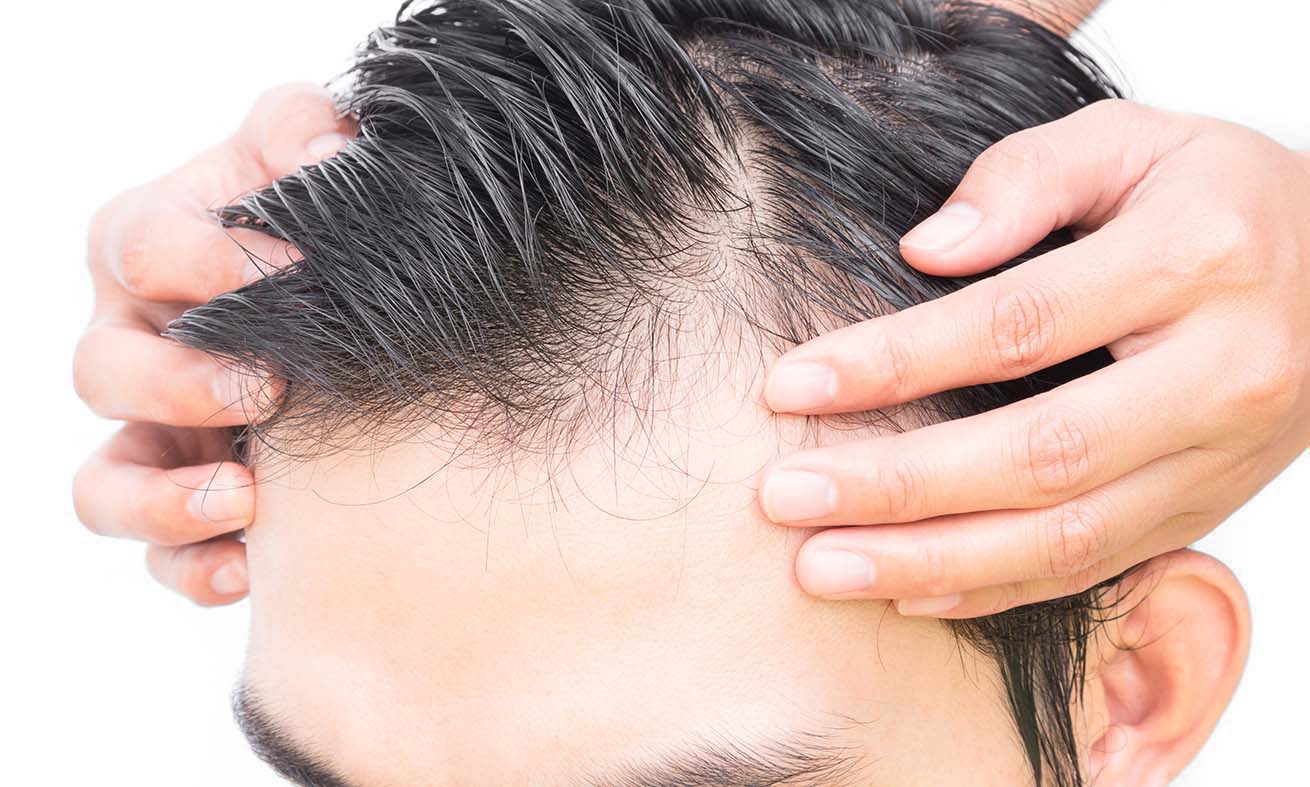
Hair transplant recovery is an essential portion of the broader treatment timeline. While modern hair restoration techniques have advanced significantly to improve the recovery process, it’s still important to consider how the scalp heals after treatment. Understanding the recovery timeline helps patients set realistic expectations, mitigate anxiety, and plan properly for time off work, social events, and daily routines.
Dr. Andrew Wolin and his team at Wolin Plastic Surgery Center are experts in hair transplants, offering the finest care to patients in and around Scottsdale. Dr. Wolin takes an individualized, patient-first approach to hair restoration, paying close attention to recovery and comfort during the process.
To learn more about hair transplants and the recovery process, contact Wolin Plastic Surgery Center online or call (480) 945-8440 to schedule a personal consultation.
Contents
About Hair Transplant Surgery
A hair transplant is a surgical procedure that restores thinning or missing hair by relocating healthy hair follicles from a donor area to areas of loss. (1) Most modern hair restoration transplants primarily involve follicular unit extraction, or FUE. With this technique, Dr. Wolin harvests individual follicular units rather than removing a strip from the scalp, which allows for a more discreet healing process and minimal scarring. (2)
Dr. Wolin carefully selects donor follicles, typically from the back or sides of the scalp, where hair tends to be more abundant. Hair in this area is also resistant to DHT, the main hormone that drives hair loss. He then carefully implants these follicles into thinning or balding areas such as the hairline, crown, or frontal scalp. Because the transplanted hair is resistant to DHT, results are long-lasting and blend seamlessly with natural, existing growth.
Why Understanding the Recovery Timeline is Important
Understanding the recovery phase helps patients feel more confident about the entire hair transplant process. A clear timeline reduces uncertainty and allows patients to see a linear progression of what to expect and how to plan their lives accordingly. Education also plays a key role in recovery success, and Dr. Wolin and his staff provide each patient with the necessary knowledge for optimal results. Patients who closely follow the postoperative guidelines tend to experience smoother recoveries and better graft retention.
Candidates
Hair transplant recovery is most predictable in patients who are healthy, follow post-operative instructions, and maintain realistic expectations about surgical outcomes. Potential candidates typically experience notable hair loss yet possess sufficient donor hair in other areas, are willing to commit to proper aftercare, and are either non-smokers or are willing to quit nicotine for an extended period. A thorough evaluation during each patient’s personal consultation will establish eligibility and give Dr. Wolin the framework for providing an estimated recovery timeline.
Personal Consultation
Your personal consultation with Dr. Wolin sets the stage for a successful transplant and a smooth recovery. At your meeting, Dr. Wolin will evaluate hair loss patterns, donor area potential, scalp health, and speak with you about your goals. Dr. Wolin crafts a personalized treatment plan for each patient, including guidelines for preparation, the procedure, and ultimately, the recovery process. This conversation helps patients feel confident going into their hair transplant and the following recovery.
To begin your hair transplant journey and receive expert guidance on recovery, schedule this personal consultation with Dr. Wolin by contacting Wolin Plastic Surgery Center online or by calling (480) 945-8440.
Preparation
Proper recovery from a hair transplant begins with adequate preparation. Dr. Wolin will give each patient specific guidance on how to prepare for a hair transplant to ensure a smooth treatment and recovery. Patients may need to avoid certain medications, supplements, and alcohol prior to surgery. Dr. Wolin also advises arranging transportation home and setting up a comfortable recovery space to focus on healing during the initial days after treatment.
Hair Transplant Recovery Timeline
While timelines will differ slightly depending on the patient, you can expect your recovery process to unfold similarly to the following:
First 24-48 hours
Immediately after your hair transplant, the scalp will appear red with tiny implanted grafts visible in the treated area. Mild swelling, tightness, and tenderness are common in both the transplant and donor areas, but discomfort is easily manageable. You will elevate your head and shoulders while resting to reduce swelling. You will also receive guidance on proper practices for medication usage, sleeping position, and overall scalp care. Most of Dr. Wolin’s patients are comfortable enough to rest at home the same day of treatment.
Week One
During the first few days, swelling typically descends from the scalp toward the forehead or around the eyes. This is a normal part of healing and resolves gradually. Small scabs form around each transplanted follicle as the scalp begins to heal. Patients must avoid strenuous activity and direct sun exposure. You may begin gentle cleansing, with instructions from Dr. Wolin, to keep the scalp clean without disturbing the grafts. During this period, discomfort tends to remain mild and manageable.
By the end of the first week, swelling usually subsides. Scabs may begin to flake off naturally as healing progresses. Be mindful not to pick or scratch the scalp, as this could dislodge grafts. Many patients feel comfortable returning to non-physical work during this period. The donor area continues to heal, and although redness may still be present, it will start to fade at this point.
One Month
As you approach the one-month mark, scabs continue to fall away, and the scalp starts appearing more natural. Most redness will resolve by this point. With approval from Dr. Wolin, patients often resume light exercise. Transplant hairs will start to shed, which is a normal part of the healing process. This phenomenon, often called shock loss, occurs as the follicles enter a resting phase. (3) While this can be concerning for patients, the follicles remain intact and prepared for new growth to begin.
Three Months
As the scalp continues to heal, visible hair growth often remains minimal. Beneath the surface, follicles are preparing to reenter the growth phase. Patients may notice subtle changes, such as fine hairs beginning to emerge. Dr. Wolin emphasizes patience, as this quiet period is a normal part of the hair growth cycle and by no means an indication of poor results.
Six Months
New hair growth becomes more noticeable between months four and six. Fine hairs gradually thicken and lengthen, coverage improves, and the transplanted area begins to blend more naturally with surrounding hair. This is often the most encouraging phase for patients, as they begin to see real, significant results.
Nine Months
At nine months, hair density continues to improve. Transplanted hair thickens, gains strength, and styling options expand as hair length increases. Patients see a significant transformation during this stage. The donor area is typically fully healed, and Dr. Wolin’s scar-minimizing technique keeps any scars from FUE extraction nearly undetectable.
One Year
One year post-procedure, most patients see near-final results. The new hair will feel fuller, more natural, and well-integrated with existing hair. While subtle improvements may continue beyond twelve months, the majority of growth has occurred at this point. Dr. Wolin continues to monitor your healing throughout the duration of this entire year to ensure you achieve the results you desire.
Cost of Hair Transplant Surgery in Scottsdale
Because Dr. Wolin tailors each procedure to the patient’s unique hair loss, growth patterns, and goals, pricing can vary. However, once Dr. Wolin formulates your personalized treatment plan at your consultation, he will be able to provide a comprehensive price estimate (covering both treatment and follow-up care).
Schedule a consultation today to explore your hair transplant possibilities. If you have any further questions or prefer to schedule over the phone, please call our Scottsdale office directly at (480) 945-8440.
FAQ
How long does hair transplant recovery take?
Initial healing occurs within one to two weeks, but full results develop over the course of a year.
When can I return to work after a hair transplant?
Many patients return to desk work within a few days to one week, depending on comfort and concerns regarding visibility. More strenuous work should wait until Dr. Wolin gives clearance.
Is swelling normal after a hair transplant?
Yes. Mild swelling is common and typically resolves within the first week.
When will I see new hair growth?
New hair growth usually begins around three to four months after surgery, reaching full potential at around a year.
Can I wear a hat after a hair transplant?
You should avoid wearing hats or other head coverings for at least two weeks after your transplant.
References
- Zito PM, Raggio BS. Hair Transplantation. PubMed. Published 2021. https://www.ncbi.nlm.nih.gov/books/NBK547740/
- Sharma R, Ranjan A. Follicular Unit Extraction (FUE) Hair Transplant: Curves Ahead. Journal of Maxillofacial & Oral Surgery. 2019;18(4):509-517. doi:https://doi.org/10.1007/s12663-019-01245-6
- Kerure AS, Patwardhan N. Complications in Hair Transplantation. J Cutan Aesthet Surg. 2018x Oct-Dec;11(4):182-189. https://pmc.ncbi.nlm.nih.gov/articles/PMC6371733/